
Anti-cheat, Secure Boot, and what the studio refused to discuss
The statement people are reacting to is conditional. Read quickly it turns into a blanket requirement, and those two readings lead to opposite purchasing decisions, so it is worth slowing down over.
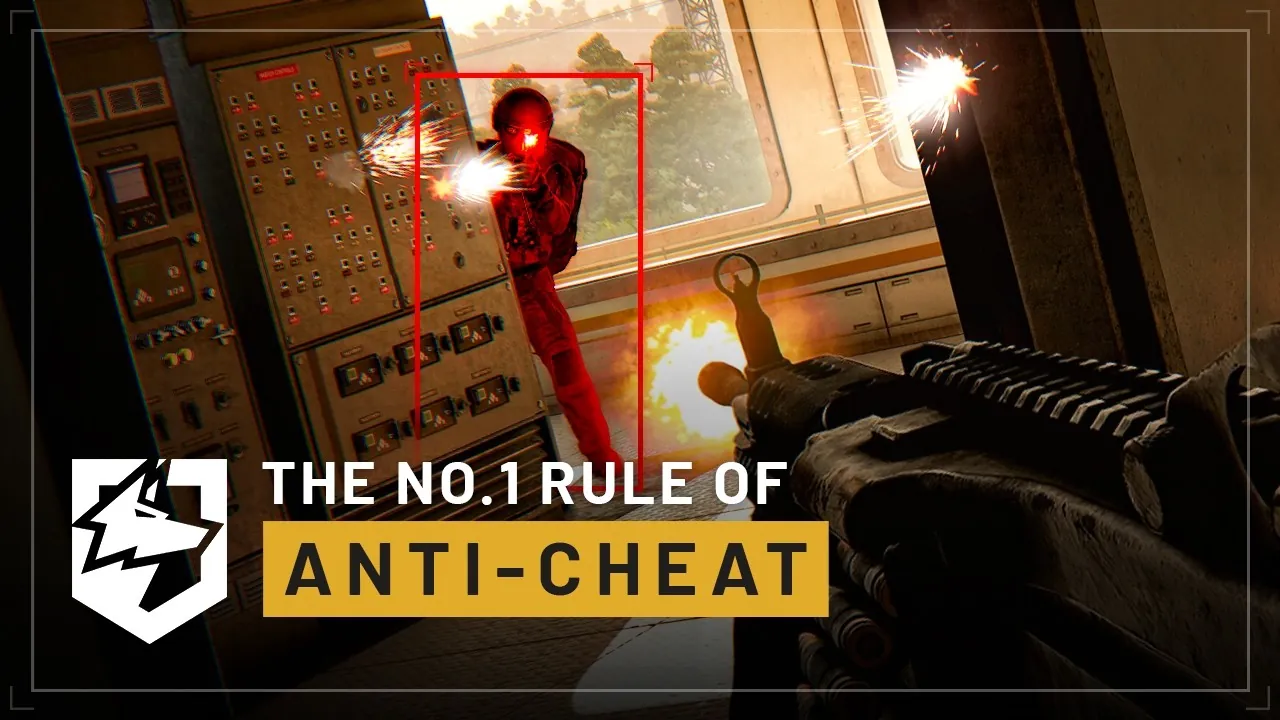
The Secure Boot sentence
The studio reserves the right to require Secure Boot from a player whose account is linked to cheaters.
Stated in Steam announcement — The 11th Reason NOT To Buy WARDOGS
That is a targeted escalation, applied to accounts that have already drawn attention. It is not the same claim as “Secure Boot is required to play”. If Secure Boot later becomes a universal requirement, that will be a new announcement, not a re-reading of this one — so the thing to watch is the announcements feed, not a summary of it.
Some of the confusion comes from Battlefield 6, which lists Secure Boot and TPM 2.0 among its PC requirements. The two games’ rules are set side by side, with EA’s own notices linked, on the Battlefield 6 comparison.
What the rules page adds
The studio’s security and enforcement page on wardogs.com states the general position, which the announcement did not:
“We do not currently require Secure Boot or a TPM to be enabled to play online, but we may introduce that requirement at any time if it becomes necessary to protect the game. If we do, we will say so before the requirement takes effect and the game will tell you what needs to change on your device.”
So there are three layers, and they fit together: the rules page says Secure Boot and TPM are not currently required for playing online; the targeted version above applies to accounts linked to cheaters; and a general requirement is possible later, promised with notice before it applies. The same page says a game that detects tampering or running cheat software will refuse to launch or refuse to connect, which is the launch failure described at the bottom of this page.
What the studio deliberately did not say
In the video it named no anti-cheat product, and said so on purpose — the framing was that discussing anti-cheat publicly is counterproductive. The Steam store page has since filled in part of it: its anti-cheat notice reads “Uses Kernel Level Anti-Cheat” and names the product as Elytra, next to a line saying the game needs agreement to a third-party EULA, the WARDOGS EULA. Both on the WARDOGS Steam store page
That is all the disclosure says. Nothing official describes what Elytra is, who makes it, or what it scans, and guides that name a different product disagree with the store page. Valve separately rates the game Unsupported on Steam Deck; neither Valve nor the studio has tied that rating to the anti-cheat.
What it told players to do instead
- Use the in-game report function on official servers.
- Play on community-hosted servers, where an administrator can remove someone immediately. Three hosting partners were approved before launch.
The Season 1 pass strengthened the reporting side rather than the detection side: a report tracking system was added, reports are now weighted so repeat and bad-faith reporters count for less, and cheater bans are announced in-server when match termination is off. Listed in Steam announcement — Pre-Load Live & Season 1 Changelog
Launch night: the wrong people banned
The studio’s own recap of launch night says its zero-tolerance approach quickly turned into banning legitimate alpha testers, with the streamers Shroud and Summit among them, at the same moment the login queue was failing. In the video the team also says one of its own banned Summit instead of the cheater in his stream, and answers worries about automated enforcement with “We always have to have a human involved.” Shown in BULKHEAD video — WARDOGS | Launch Day Recap
If your account is banned
The rules page sets out what can be appealed and how:
- Permanent account bans can be appealed. Email appeal@bulkhead.com with your account name and platform. A person reviews every appeal, with a stated aim of replying within 30 days, and an overturned ban restores the account and the progression removed with it.
- Temporary suspensions, server restrictions and hardware bans are final. The exception is a hardware ban issued alongside a permanent ban that is overturned on appeal: both are lifted.
- The outcome is shared, the evidence is not. Appeal decisions are final, and repeat appeals for the same ban are not looked at again.
- Community server bans are separate. An admin’s ban covers only that server, and the studio does not review it; a studio ban covers all online play, community servers included.
Bans that follow behavioural detection, rather than a detected cheat, are reviewed by a member of the team before they are applied, and a ban on an account stays that account’s ban even if someone else was playing on it. From wardogs.com — Security and Enforcement
If the game will not start
A protection layer that refuses an executable produces a launch failure, not a crash mid match. Which of the two you are seeing decides where to look. Two adjacent pages are relevant: Linux and Proton, where the studio told buyers to refund, and system requirements if the game does start but runs badly — those are different problems with different fixes. The codes players actually see, and what the studio has fixed, are on error codes and crashes.